
We focus primarily on metals, diamonds, gemstones and goldsmithing techniques that you may encounter when choosing an engagement ring, wedding rings or other jewellery from our collection.
- Metals Used in Jewellery
- Diamonds
- Precious and Semi-Precious Gemstones
- Ring Designs and Setting Styles
- Ring and Jewellery Descriptions
- Goldsmithing Processes and Tools
- Frequently Asked Questions
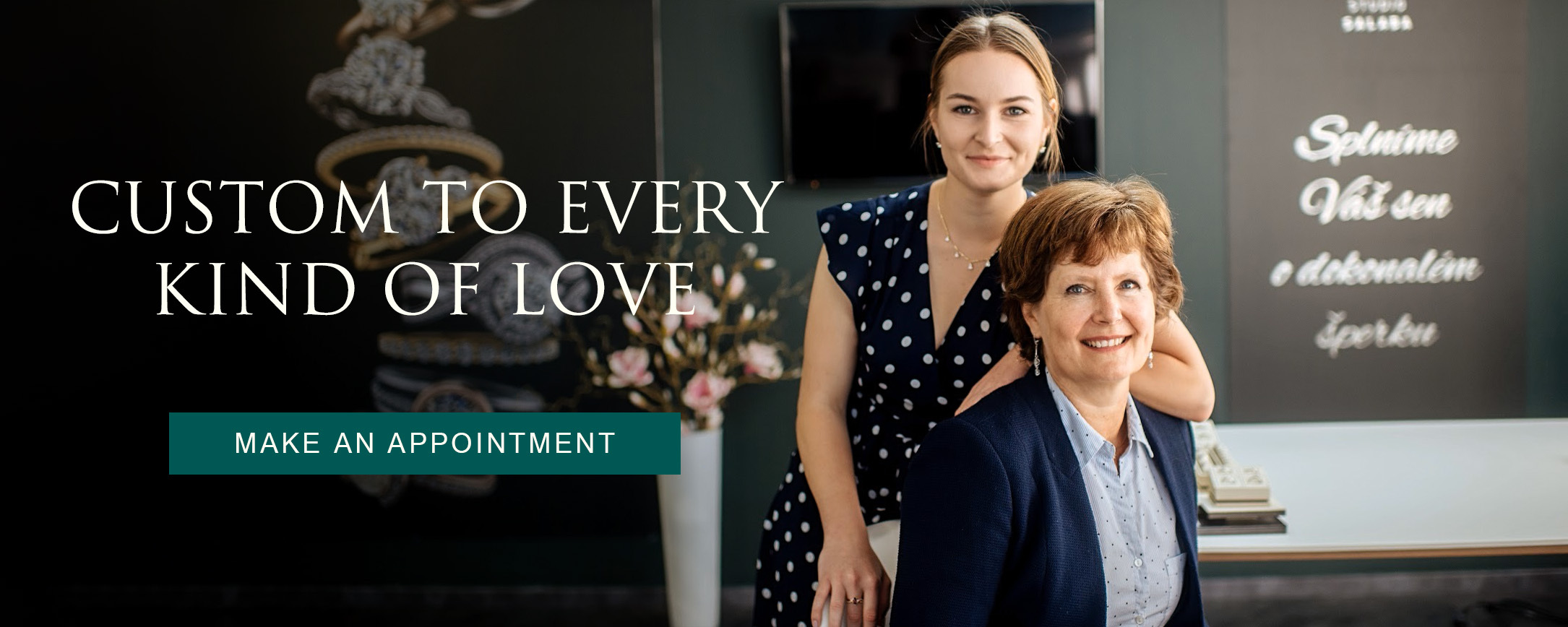
Platinum is one of the rarest and most durable precious metals. This is also why it is so popular!
It is naturally greyish white, hypoallergenic and exceptionally resistant to wear and chemical influences. At our jewellery studio, you will find it used in luxury engagement rings, wedding rings and diamond jewellery.
- Did you know that platinum is considered the most exclusive metal used in jewellery? We are one of the few jewellery studios in the Czech Republic to offer platinum jewellery. Book an appointment with us and we will create a bespoke ring together!
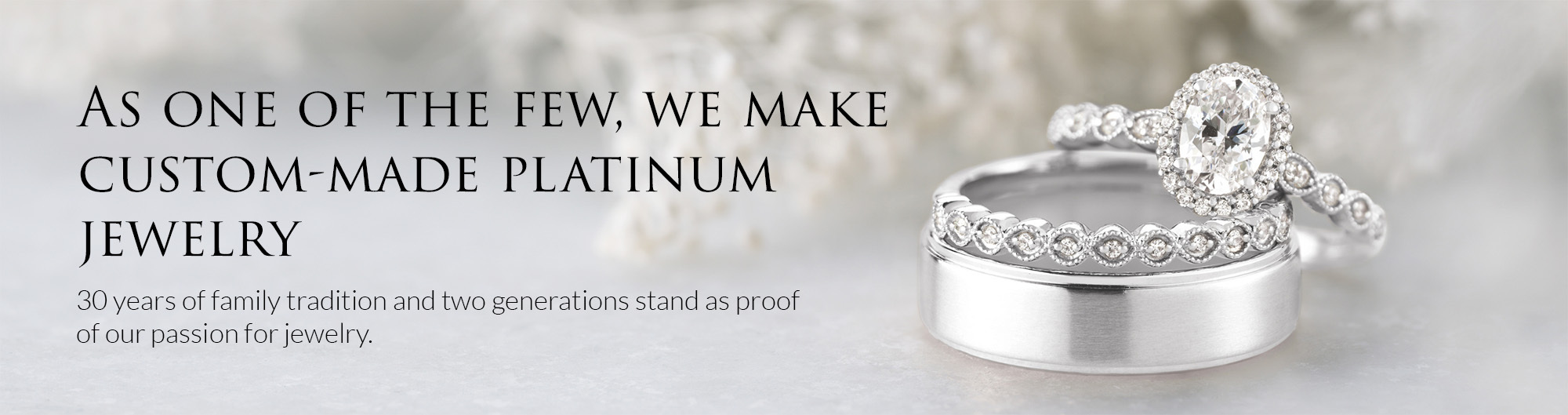
Gold is a soft, naturally yellow precious metal with exceptional malleability, ductility and resistance to corrosion. It is used in jewellery in a range of finenesses:
- 24kt (fineness 999) – Almost pure gold. It is soft and primarily used for investment purposes.
- 22kt (fineness 916) – A very high gold content, suitable for luxury jewellery.
- 18kt (fineness 750) – High quality and ideal for luxury jewellery, retaining both its shine and strength.
- 14kt (fineness 585) – The most popular option in the Czech Republic, offering an ideal balance of durability, shine and price.
- 9kt (fineness 375) – An affordable option with a higher proportion of alloying metals.
You may also be interested in: How is the fineness of gold determined?
Gold Colours
- Yellow gold – A classic appearance, created from an alloy of gold, silver and copper.
- White gold – A whitish shade, often containing palladium or nickel and finished with rhodium plating.
- Rose gold – A warm, romantic shade produced by a higher copper content.
Silver is a bright white, soft metal with excellent conductivity and lustre. It is used in jewellery in the following alloys:
- 925 (Sterling) – 92.5% pure silver with alloying elements, usually copper. This is the standard alloy used for jewellery.
- 958 (Britannia) – 95.8% silver, offering greater purity and a more delicate appearance, but used less frequently.
- 999 (Fine) – Almost pure silver. It is soft and suitable for collectors’ items or exceptional pieces.
Silver is valued for its lustre and elegant appearance. One potential disadvantage is oxidation, which causes it to tarnish.
- Natural Diamond
- Laboratory-Grown Diamond
- Moissanite
- Cubic Zirconia
- Kimberley Process
- What Are the Most Common Diamond Treatments and Cutting Techniques?
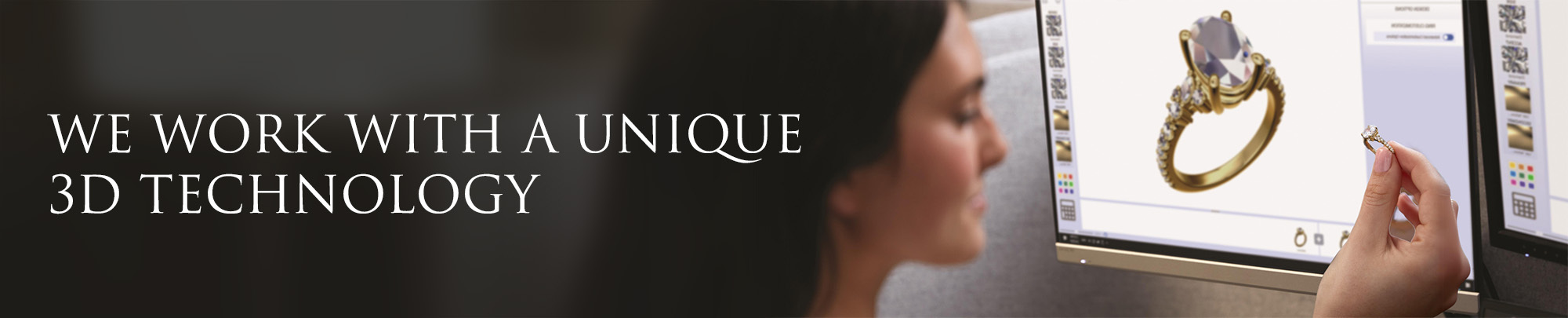
A natural diamond forms deep beneath the Earth’s surface under extreme pressure and heat. It is the hardest known natural material, with a hardness of 10/10, and offers exceptional brilliance and light refraction.
- You may also be interested in: How to Identify a Diamond ?
A laboratory-grown diamond is chemically, physically and optically identical to a natural diamond. It is created under controlled laboratory conditions and offers a more affordable and ethically responsible alternative.
- Looking for an original gift to mark a significant life event? Give a certified diamond.
Moissanite is a laboratory-grown gemstone. It is made from synthetic silicon carbide and has a hardness of 9.25. It is distinguished by its intense sparkle and attractive price.
- You may also be interested in: Diamonds or Moissanites: Why Choose One and Which Gemstone Is Right for You?
Cubic zirconia is a synthetic material produced in a laboratory. It is used in jewellery as an affordable substitute for diamond. It has a high lustre and intense sparkle and is almost indistinguishable from a genuine diamond at first glance. However, it is softer and optically more ‘perfect’.
- You may also be interested in: Diamond Grading Criteria – the 4Cs of Diamonds
Since 2003, the Kimberley Process has helped prevent the circulation of so-called ‘blood diamonds’. When you purchase a natural diamond with an international certificate, you receive assurance of its ethical origin within the relevant legal framework.

Precious and Semi-Precious Gemstones
- Aquamarine
- Amethyst
- Citrine
- Garnet
- Onyx
- Opal
- Peridot
- Pearl (Organic Gemstone)
- Ruby
- Sapphire
- Emerald
- Tanzanite
- Topaz
- Tourmaline
- Turquoise
A transparent blue gemstone whose name comes from the Latin ‘aqua marina’, meaning seawater. It symbolises tranquillity, courage and young love. It is popular in engagement rings and jewellery for women born in March.
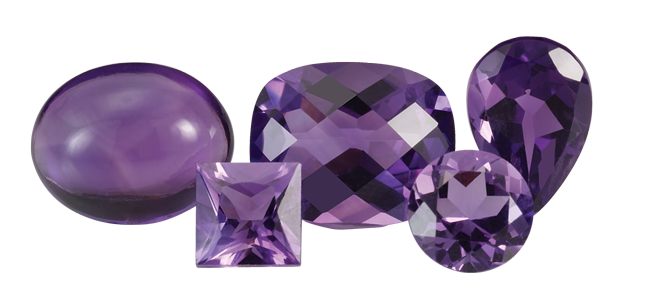
A purple variety of quartz traditionally associated with royal elegance. It is regarded as a stone of wisdom and spiritual purity. It is ideal for jewellery marking a February birthday or sixth wedding anniversary.
A radiant yellow gemstone known as the ‘gemstone of the sun’. It is associated with joy, energy and prosperity. It is suitable for jewellery marking a November birthday or thirteenth wedding anniversary.
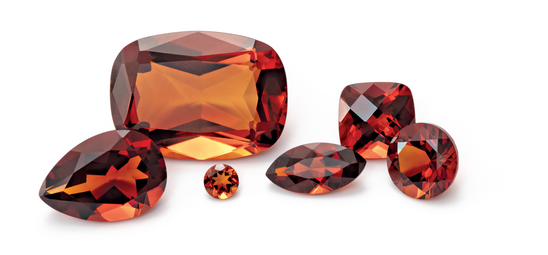
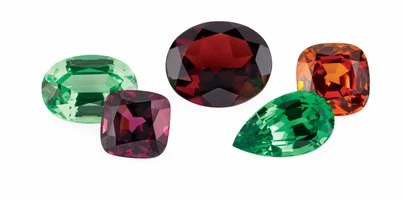
Usually a deep red gemstone, garnet symbolises strength, passion and protection. It is traditionally regarded as a travellers’ amulet and is particularly popular with those born in January.
A black gemstone with a glossy surface, valued for its elegance and protective properties. It is suitable for minimalist jewellery and everyday wear and is also frequently used in men’s jewellery.
A gemstone with a unique optical property known as opalescence: a delicate play of iridescent colours. Every stone is unique. Opal is suitable for distinctive designer jewellery and symbolises creativity and inspiration.
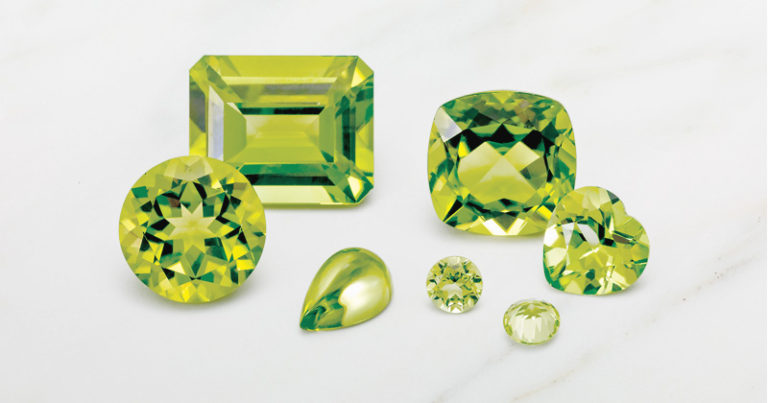
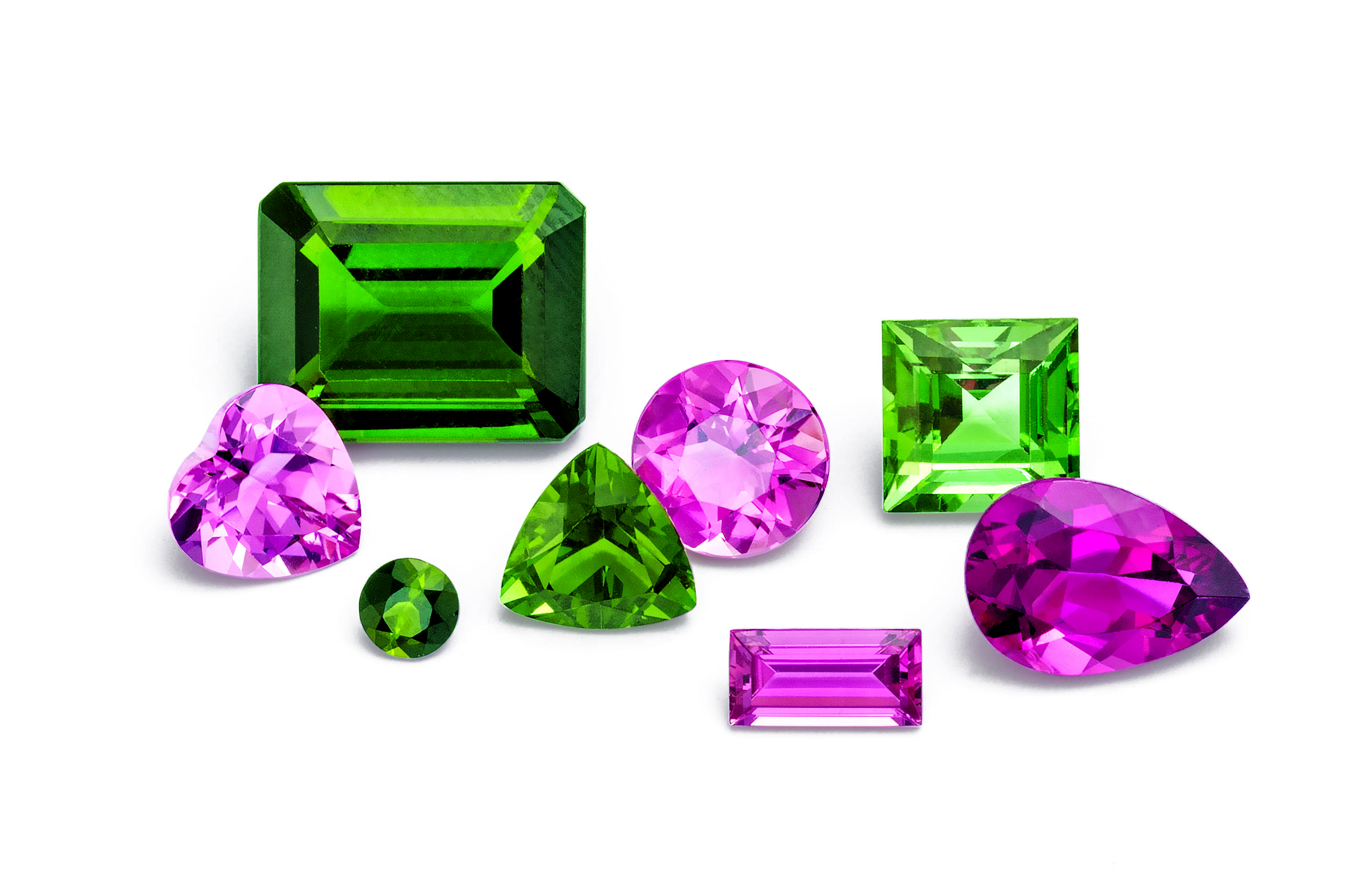
A fresh green gemstone also known as olivine. It is often associated with summer and new beginnings and is believed to bring happiness, harmony and self-confidence. It is ideal for jewellery marking an August birthday or sixteenth wedding anniversary.
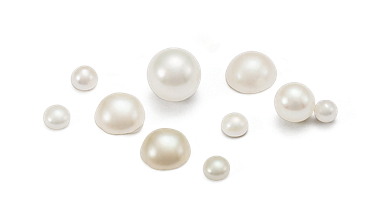
Pearls form inside the shells of pearl-producing molluscs. They symbolise purity, femininity and timeless elegance. Both natural and cultured pearls are available in various shapes and shades. They are popular in bridal jewellery and as gifts marking significant life events.
A rich red variety of corundum. It represents love, vitality and luxury. It is often used as a striking solitaire gemstone and is traditionally given to mark a July birthday or fortieth wedding anniversary.
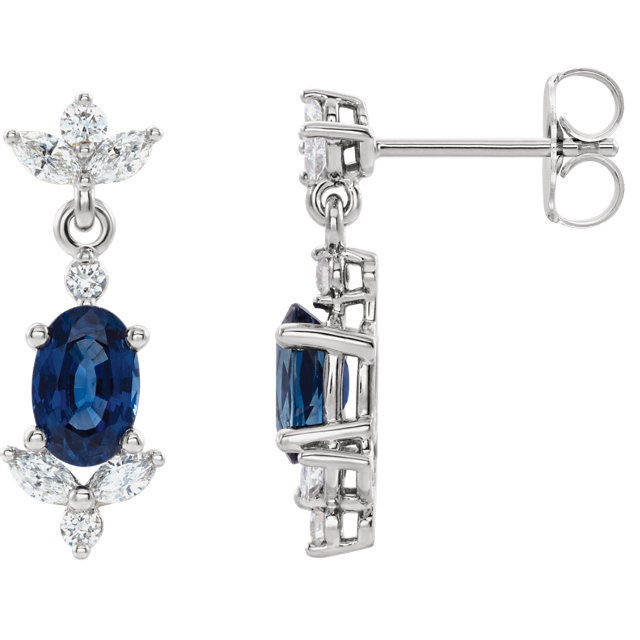
Most commonly a blue gemstone, sapphire symbolises fidelity, wisdom and royal dignity. It is suitable for engagement rings and jewellery marking a September birthday.
An intensely green gemstone regarded as a symbol of hope and renewal. It is popular in vintage jewellery and as a gift marking a twentieth or thirty-fifth wedding anniversary, as well as a May birthday.
A rare blue-violet gemstone discovered in Tanzania. It is valued for its unique shade and lustre and is suitable for contemporary jewellery and those born in December.

A gemstone available in a wide range of colours, from colourless to blue, pink or yellow. Hard and durable, it is suitable for engagement jewellery as well as bold statement pieces. It symbolises tranquillity and inspiration.
A gemstone available in a broad spectrum of colours, ranging from pink to green. It is regarded as a stone of creativity and emotional balance and is suitable for jewellery marking an October birthday.
A blue-green gemstone traditionally regarded as a protective amulet. It symbolises friendship, good fortune and health and is frequently used in silver jewellery and bohemian designs.
Ring Designs and Setting Styles
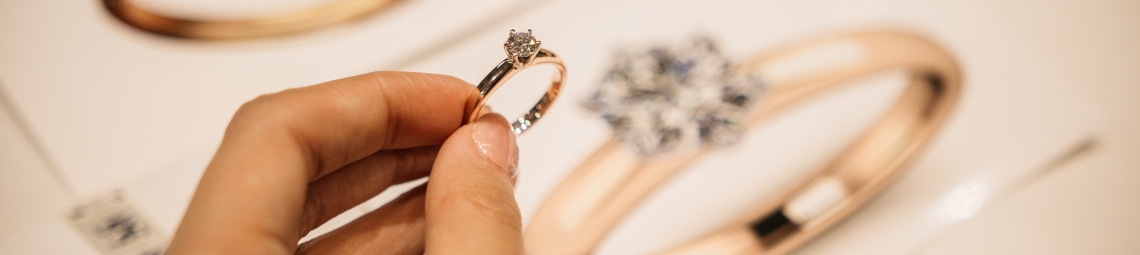
- Halo – A central stone surrounded by smaller stones
- Trilogy – Three stones set alongside one another, symbolising the past, present and future
- Cluster – Several small stones grouped together
- Side stones – Stones positioned alongside and complementing the central stone
- Bezel setting – A stone secured within a metal rim
- Prong setting / Claw setting – Stones secured by small metal claws
- Channel setting – Stones set in a row between two metal walls
- Tension setting – A stone held in place by the pressure of the metal, without a visible setting
Ring and Jewellery Descriptions
- Central stone – The main and largest stone in a piece of jewellery, often a solitaire
- Dominant stone – The stone that visually defines the character of the piece
- Minimalist style – A simple design, often featuring a single stone
Goldsmithing Processes and Tools
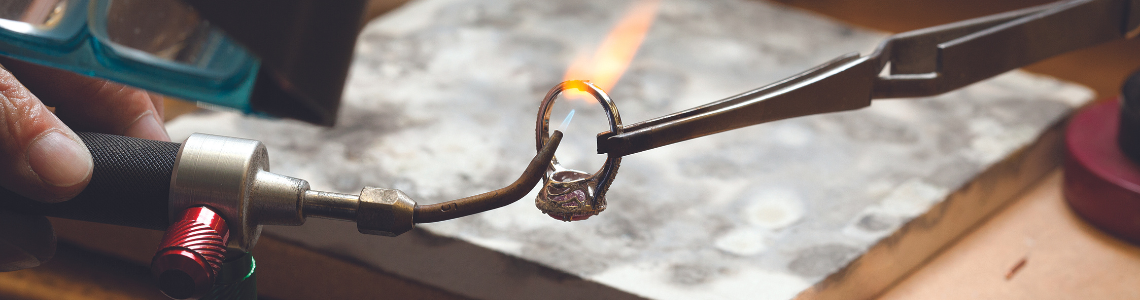
- Pickling – The use of an acidic solution to remove oxidation from the surface of metals after soldering. A safety pickle is a gentler alternative to conventional acid and is safer to store and handle.
- Engraving – Cutting patterns, letters or decorative motifs into metal using sharp tools. It allows a piece of jewellery to be personalised or artistically decorated.
- Polishing (buffing) – The final surface treatment applied to a piece of jewellery. A rotating tool and polishing compound are used to achieve a high shine.
- Rhodium plating – Applying a thin layer of rhodium to the surface of white gold. This increases its shine and protects it against oxidation.
- Gemstone setting – Securing gemstones within a metal base.
- Hallmarking – Verification of a precious metal’s fineness by an Assay Office. Once it has been successfully verified, the piece is stamped with an official hallmark.
What Are the Most Common Diamond Treatments and Cutting Techniques?
- Brilliant – A diamond cut into a round brilliant shape with 57 or 58 facets.
- Culet – A small facet at the bottom point of a diamond that affects its optical properties.
- Facet – A polished flat surface on a diamond. The arrangement of its facets determines its sparkle and brilliance.
- Setting – The process of securing a diamond by hand within a metal setting, such as a claw setting.
- Girdle – The widest circumference of a diamond, separating the crown from the pavilion.
- Polishing (buffing) – The final treatment of a diamond’s surface to achieve maximum lustre.
- Burnishing – A specific technique used to smooth a surface.
- Gem setting – A general term for securing diamonds using various setting techniques.
- Squaring up – Aligning the diamond correctly within a piece of jewellery, such as positioning a brilliant-cut diamond within its claws.
How Is the Fineness of Gold Determined?
The fineness of gold, meaning the proportion of pure gold in an alloy, is most commonly expressed in two ways:
in carats (kt) and in parts per thousand (‰).
Carats (kt)
The carat system divides an alloy into 24 parts. Pure gold is designated as 24kt, meaning that all 24 of its 24 parts consist of pure gold.
For example:
- 18kt gold contains 18 parts gold and six parts other metals, corresponding to a gold content of 75%.
- 14kt gold contains 58.5% gold.
Parts per Thousand (‰)
This system uses a decimal scale. It indicates how many grams of pure gold are present in 1,000 grams of the alloy.
For example:
- 750‰, or a fineness of 750/1000, means that the alloy contains 75% pure gold.
- 585‰ corresponds to 14kt gold, meaning that it contains 58.5% gold.
Both methods are equivalent and commonly used in hallmarking and jewellery descriptions. In the Czech Republic, fineness is more frequently expressed in parts per thousand and can be found stamped directly onto the jewellery as part of its hallmark.
What Is a Hallmark?
A hallmark is an official mark applied to jewellery or coins made from precious metals by an authorised Assay Office. It confirms the fineness and authenticity of the metal used.
Hallmarking has a long tradition and is an essential means of ensuring that both customers and retailers can trust the stated gold, silver or platinum content.
What Information Does a Hallmark Contain?
A hallmark usually includes several elements:
- Metal fineness – Such as 585, 750 or 999, indicating the precious-metal content in parts per thousand
- National symbol or official mark – Identifying the country and authority that issued the hallmark, such as an eagle’s head in the Czech Republic
- Maker’s mark – A unique identification mark belonging to the goldsmith or company that created the jewellery
In the Czech Republic, hallmarking is compulsory for most jewellery made from precious metals. The process and requirements are established by the Czech Assay Office, which also inspects products available on the market.
What Is the Difference Between an Engagement Ring and a Wedding Ring?
An engagement ring is intended for a unique moment: traditionally, a man presents it to his partner when proposing.
By contrast, wedding rings form a pair that the partners place on each other’s fingers during the wedding ceremony as a symbol of their marriage vows.
- Did you know that we create wedding rings as a PERFECT PAIR?