
A laboratory-grown diamond is a diamond with the same chemical structure, hardness and brilliance as a natural diamond. However, it differs in its origin, market behaviour and perceived value over time: it was created under controlled laboratory conditions rather than through an extraordinary natural process.
Put simply, natural diamonds are associated with a finite natural resource and more enduring investment value, while laboratory-grown diamonds allow you to purchase a larger or visually clearer stone at a lower price – but with greater uncertainty surrounding its future value and true environmental footprint.
In our view, a smaller, high-quality natural diamond is therefore often a better choice than a significantly larger laboratory-grown stone whose long-term price development is far less predictable.
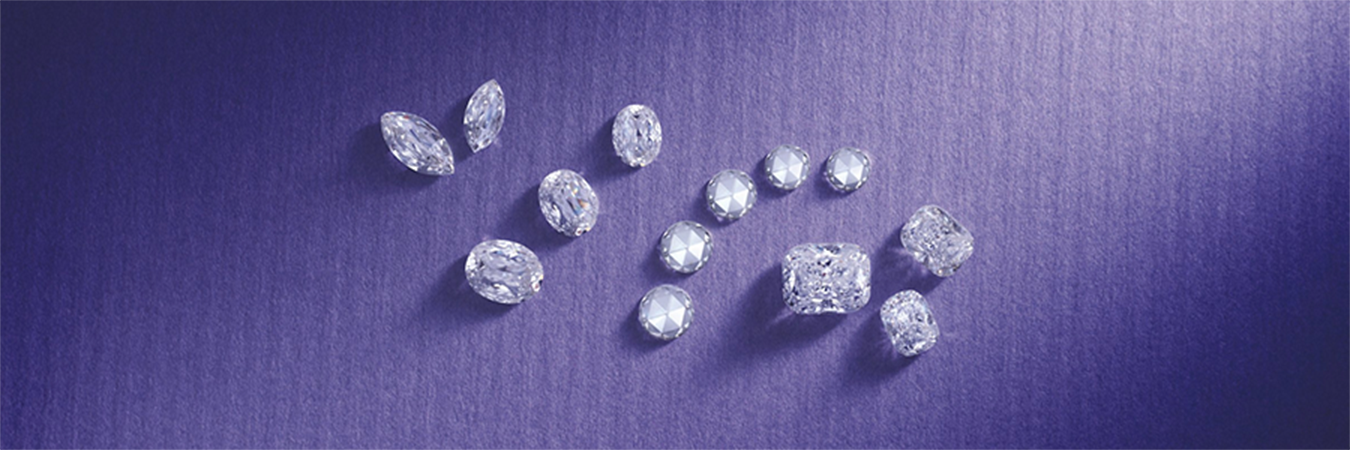
Are you considering whether to buy a natural or laboratory-grown diamond? Our guide provides a detailed, myth-free comparison of both options.
You will learn that a laboratory-grown diamond has the same properties as a natural diamond, including the same appearance and 4C grading on IGI certificates, but also why it behaves differently in terms of investment potential and price stability. We explain the differences in origin, price and long-term value, how GIA certification works for natural diamonds and IGI certification for laboratory-grown diamonds, and what the Kimberley Process guarantees for natural diamonds.
You will also discover when investing in a natural diamond makes sense and when to choose a lab-grown stone, including the concept of ‘travel ring’. We also explore sustainability, the energy required for laboratory production and the associated industrial impact in certain regions.
This guide offers expert recommendations and clear answers to the most frequently asked questions, drawing on the prestigious GIA Diamonds Graduate programme at the Gemological Institute of America in New York completed by Klára Salabová – one of only seven people in the Czech Republic to hold this qualification.
Our aim is not to promote one ‘correct’ choice, but to give you enough information to decide according to your values, budget and expectations. We will be happy to arrange a personal consultation and answer any questions in person. Simply book an appointment using our online calendar.

What Is a Laboratory-Grown Diamond and How Does It Differ from a Natural Diamond?
-
A laboratory-grown diamond is a carbon crystal with the same atomic lattice as a natural diamond. It is produced under controlled conditions using HPHT or CVD technology, which replicates the geological processes occurring within the Earth’s mantle.
-
A natural diamond formed deep within the Earth over millions of years.
The two types are optically and physically identical, but the difference goes beyond their ‘origin story’. They also differ in availability, price development and sustainability. A natural diamond is a rare and finite natural resource, whereas laboratory-grown diamonds can be produced on a large scale. This results in faster price changes and potentially lower long-term value.
Diamond Certification and Authenticity: How Can You Tell Whether a Diamond Is Genuine?
Every diamond, whether natural or laboratory-grown, should be supplied with a certificate of authenticity from an independent gemmological laboratory.
A certificate (issued by an organisation such as GIA or IGI) confirms whether the diamond is natural or laboratory-grown and states its quality according to the 4Cs: colour, clarity, cut and carat weight. However, it is important to note that from 2025 GIA no longer grades laboratory-grown diamonds according to the 4Cs. This form of grading is now only available on IGI certificates for laboratory-grown stones.
The provenance of natural diamonds is also monitored. Since 2003, the UN-backed Kimberley Process has ensured that certified natural diamonds do not originate from conflict zones as so-called blood diamonds. This means that when you purchase a natural diamond with an international certificate, you can be confident of its ethical provenance.
Laboratory-grown diamonds are always clearly identified on their certificates as ‘LAB’ or ‘laboratory-grown’. Their certification carries the same authority in confirming the stone’s authenticity and technical characteristics. However, it does not verify the sustainability of its production. If ethics and environmental impact are important to you, we therefore recommend asking about the origin and manufacturing conditions of lab-grown diamonds as well.
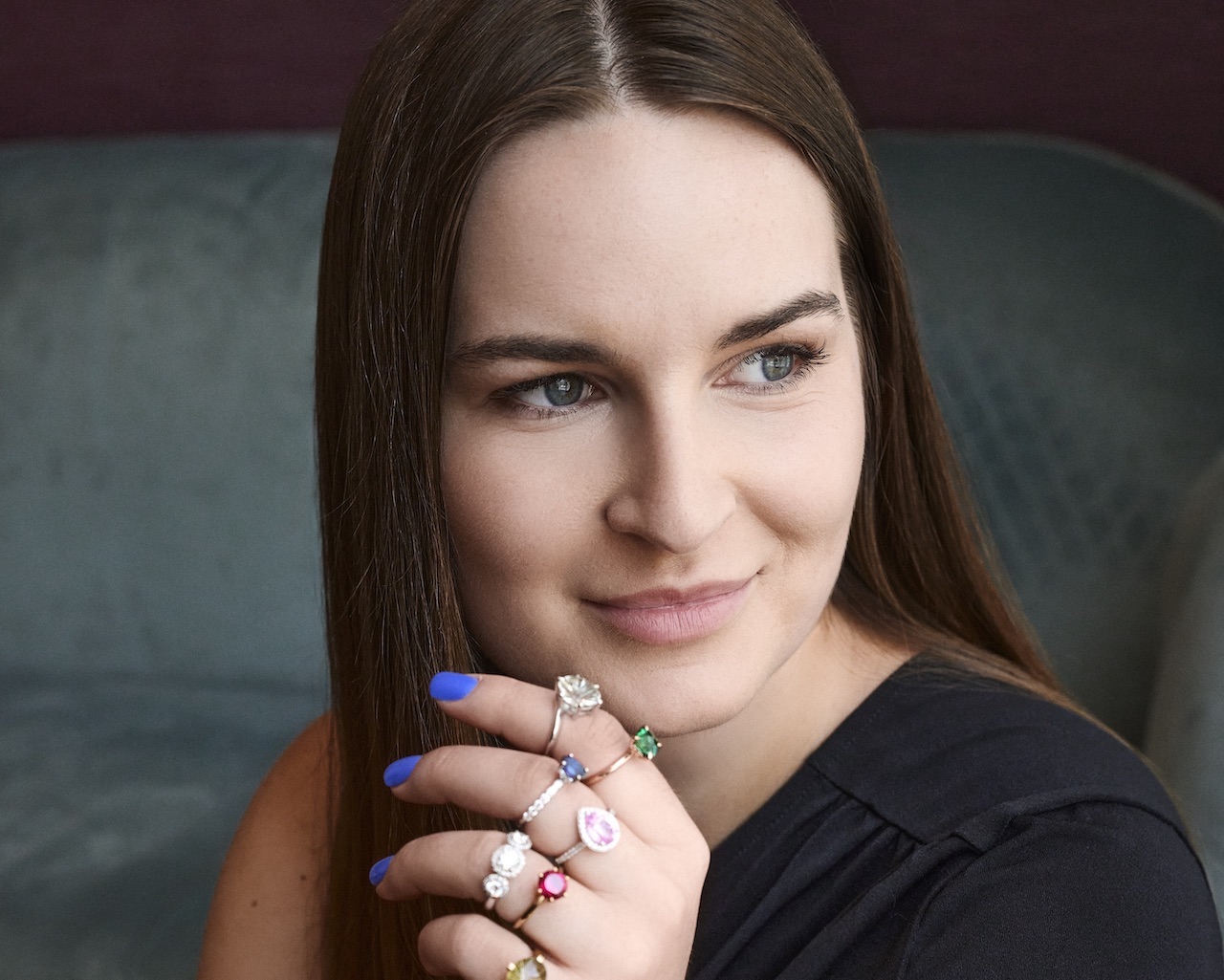
At SALABA Jewellery Studio, we place great importance on transparency and expert guidance. As mentioned above, Klára Salabová holds the prestigious GIA Diamonds Graduate diploma, giving our customers confidence that every diamond and certificate receives the utmost care and professional scrutiny.
-
Carat – the weight of the stone.
-
Colour – the scale of colourlessness from D to Z.
-
Clarity – the number and appearance of internal and surface characteristics and inclusions.
-
Cut – the quality of the cut, polish and symmetry, which has the greatest effect on sparkle.
Read more in our article, Diamond Grading Criteria: The 4Cs.
The Importance of Certificates: GIA and IGI
-
GIA – the most widely respected gemmological institution in the United States, offering the highest standards of objectivity and consistency.
-
IGI – a widely recognised international certification body that also grades laboratory-grown diamonds. Its certificates clearly identify these stones as ‘Laboratory-Grown’.
For laboratory-grown diamonds, however, the certificate confirms only their technical characteristics, including the 4Cs – not the sustainability or ethical conditions of production. This distinction is important because some marketing surrounding lab-grown diamonds creates the impression that certification guarantees environmentally responsible production, which is not the case.
The Kimberley Process and Ethical Provenance
Since 2003, the Kimberley Process has helped prevent the trade in so-called blood diamonds. When you purchase a natural diamond with an international certificate, you receive assurance of ethical provenance within the applicable legal framework.
Today’s major mining companies also frequently have rigorous control mechanisms and transparent supply chains. There is therefore no need to be concerned about certified natural diamonds. Countries such as Botswana and Namibia use revenue from diamonds to fund education, healthcare and infrastructure.
-
You may also be interested in: How to Choose the Right Diamond Shape

The Appearance and Composition of Natural and Laboratory-Grown Diamonds
There is no difference between natural and laboratory-grown diamonds in terms of their chemical composition or physical properties. A laboratory-grown diamond is still a diamond.
It has the same hardness of 10 out of 10 on the Mohs scale, as well as the same brilliance and optical properties. In fact, the two cannot be distinguished with the naked eye.
Laboratory-grown diamonds are created using modern technologies that simulate the conditions deep within the Earth where natural diamonds form. The result is a carbon crystal with the same lattice structure as a natural stone. For the customer, this means that jewellery featuring a lab-grown diamond will look just as brilliant as jewellery set with a natural diamond.
The main difference lies in their origin, not in their beauty or durability.
-
Do not miss: Affordable Luxury: Lab-Grown Diamonds
How Technology Replicates Natural Processes to Grow Laboratory Diamonds
HPHT: High Pressure High Temperature
The HPHT method uses extreme pressure and heat corresponding to the conditions deep within the Earth’s mantle.
A small diamond ‘seed’ and a carbon-based material such as graphite are placed inside a sealed chamber. Under pressure of approximately 5–6 GPa and temperatures of up to 1,600°C, the carbon melts and gradually crystallises around the seed, creating a genuine diamond.
-
The process takes several days to several weeks.
-
The resulting stones have the same structure, hardness and optical properties as natural diamonds.
HPHT is also used to improve the colour of natural diamonds by removing brown undertones. These stones remain natural, but their certificates must identify them as HPHT-treated.
-
Interesting fact: HPHT diamonds may contain small metallic inclusions arising from the materials used during production.
CVD: Chemical Vapour Deposition
The CVD method uses gaseous carbon compounds, typically a mixture of hydrogen and methane.
A diamond seed is placed in a vacuum chamber, where the gases are broken down and carbon atoms settle in layers on the seed’s surface.
This gradually creates a diamond plate or crystal with exactly the same chemical and physical structure as a natural stone.
-
The process takes approximately two to four weeks.
-
It allows precise control over the crystal’s growth and clarity.
-
CVD diamonds often have a highly uniform colour and can be larger than HPHT stones.
How Much Do Natural and Laboratory-Grown Diamonds Cost?
One of the main differences customers notice between natural and laboratory-grown diamonds is their price. Laboratory-grown diamonds are generally around 40–60% less expensive than comparable natural stones.
However, this saving is driven not only by production efficiency but also by the enormous increase in output, with the market being flooded by millions of carats every year. This is why their prices have fallen rapidly in recent years and are significantly less stable over the long term than those of natural diamonds.
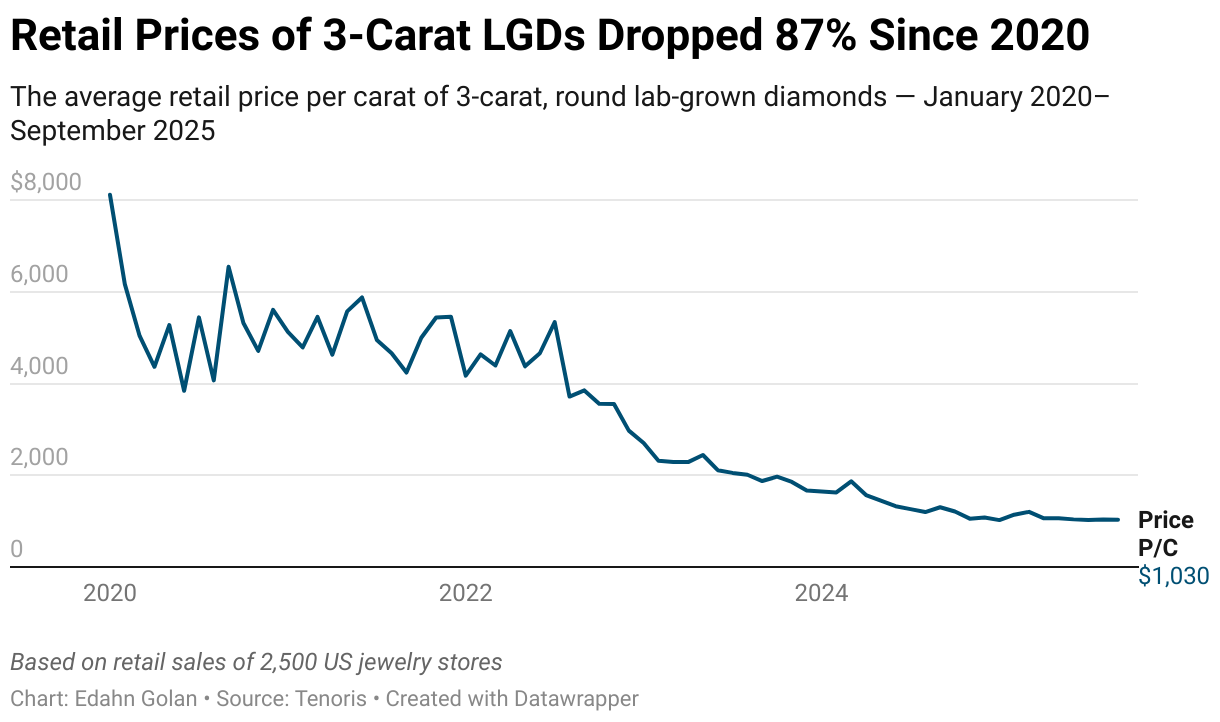
Choosing a lab-grown option therefore allows a customer to buy a larger or clearer stone within the same budget. However, it is important to understand that a laboratory-grown diamond is not an investment. The value of a natural diamond is supported by rarity, tradition and history, while the value of a laboratory-grown stone is determined by manufacturing technology and current production volumes.
This is precisely why we offer both options at SALABA Jewellery Studio, allowing everyone to choose according to their preferences. At the same time, we always tell our customers that, in our view, a smaller, high-quality natural diamond makes more sense than a large laboratory-grown stone with an uncertain future price.
A Natural Diamond as an Investment
Natural diamonds are exceptional because they represent a rare and finite natural resource.
They formed over millions of years through geological processes deep within the Earth, and their supply is limited – they cannot be ‘made to order’.
This rarity and naturally limited supply allow natural diamonds to retain their value more effectively over time, particularly larger, high-quality certified stones with excellent cut, clarity and colour.
Historically, diamonds have been regarded not only as symbols of luxury but also as stores of value. Although natural diamond prices may fluctuate in the short term in response to global demand, they have not experienced the same long-term declines as laboratory-grown diamonds, whose prices are directly affected by technological availability and production volumes.
In addition to its financial value, a natural diamond carries emotional and symbolic significance. It is a unique natural creation with its own provenance and story, which cannot be artificially replicated. Many owners therefore regard a natural diamond not only as a piece of jewellery, but also as a family heirloom.
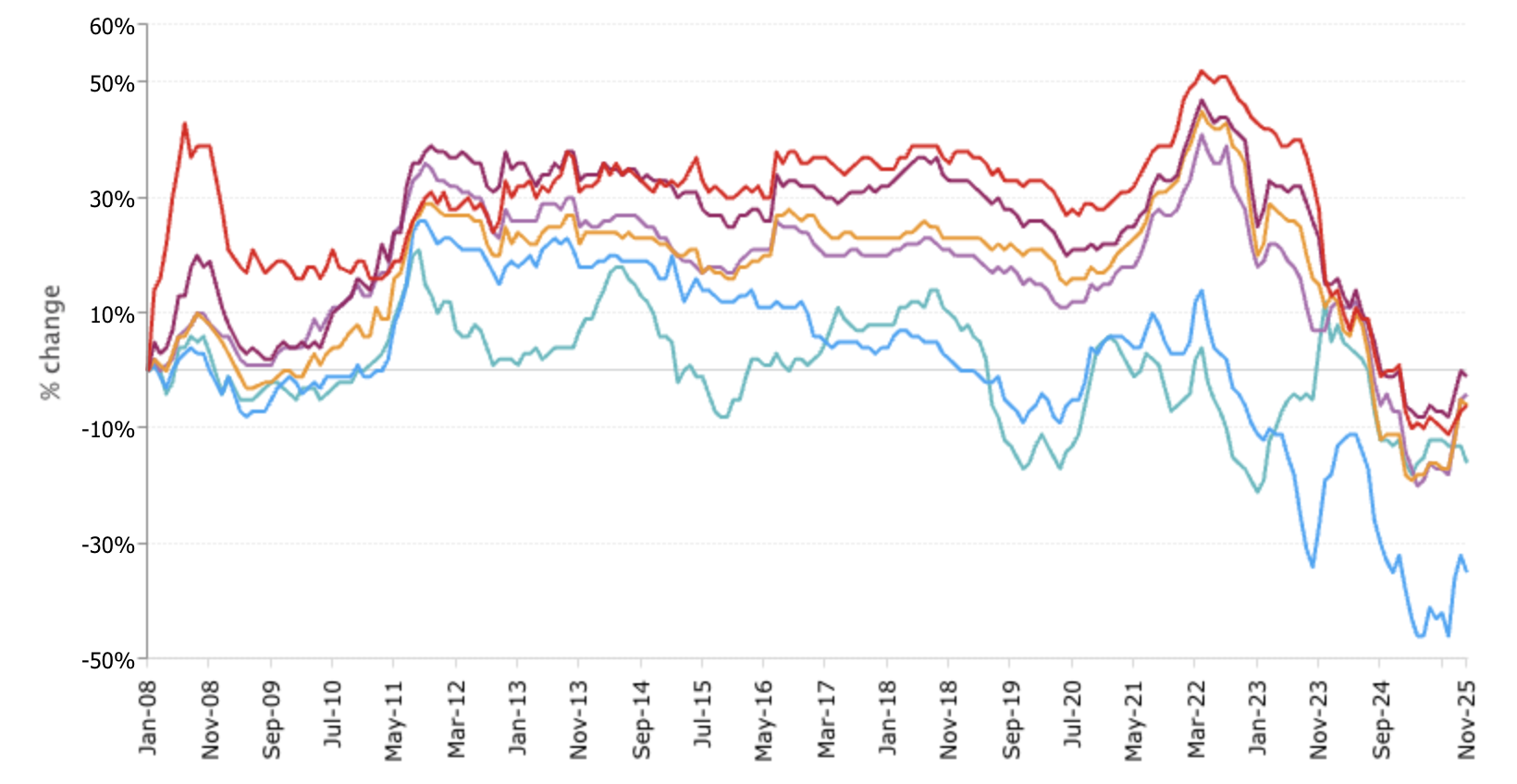
Chart: Percentage change in the average price of round natural diamonds in D–I colours and VVS2–SI2 clarity grades on PriceScope.com from 1 January 2008 to 1 October 2025.
Ethics and Sustainability When Choosing a Diamond
Ethical sourcing and environmental impact are now among the most important considerations when choosing between a natural and laboratory-grown diamond.
Natural Diamond Mining
Diamond mining has had a darker side in the past. So-called blood diamonds from conflict zones were used to finance armed conflicts, particularly in Africa. Today, however, the situation has been significantly transformed by the Kimberley Process, which has operated under the auspices of the United Nations since 2003.
Thanks to this process, the overwhelming majority of natural diamonds on the global market now come from controlled, transparent and conflict-free sources.
Major diamond-mining countries such as Botswana and Namibia have also invested in:
-
education;
-
healthcare;
-
infrastructure;
-
restoring landscapes after mining has ended.
In these regions, the impact of mining is offset by tangible socio-economic benefits for local communities.
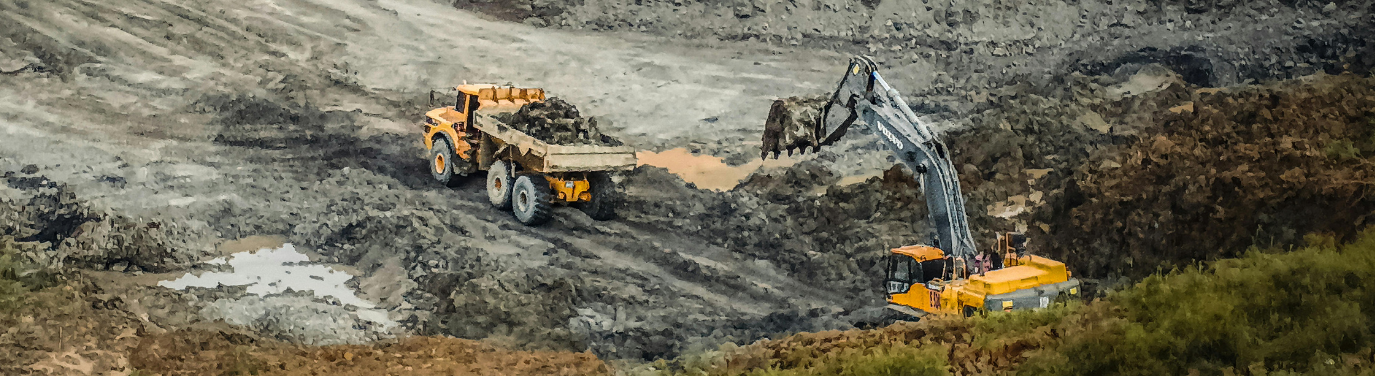
It is, of course, true that mining requires considerable energy and materials – many tonnes of earth must be moved to recover a single carat. On the other hand, it is a regulated and supervised process governed by established standards, which are often lacking in the laboratory-grown diamond industry.
Laboratory-Grown Diamond Production
Laboratory-grown diamonds were originally presented as a ‘green’ and ‘sustainable’ alternative. The reality, however, is considerably more complex:
-
Production takes place at extremely high temperatures and pressures.
-
Electricity consumption is enormous and the power often comes from fossil fuels.
-
Available studies suggest that, in some cases, energy consumption may be higher than in regulated mining.
-
Thousands of laboratories have been established in China and India in recent years, often with insufficient oversight of waste, chemicals and emissions.
The environmental credentials of laboratory-grown diamonds therefore cannot be taken for granted. They depend on the individual laboratory, its energy mix and the level of oversight.
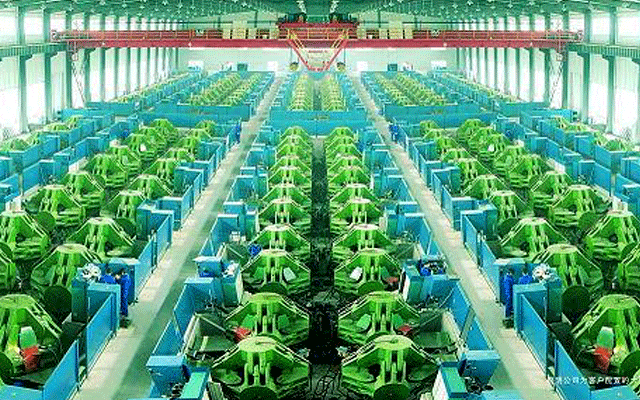
Cubic HPHT presses in a Chinese manufacturing facility. Source: Alibaba.
Practical Considerations: Which Diamond Is Suitable for Everyday Wear?
In everyday use, there is no difference in appearance or durability between natural and laboratory-grown diamonds. Both are hard, durable and suitable for daily wear.
The practical difference lies more in how we relate to them and how we feel when wearing them.
Many people have a deeper emotional and financial connection to a natural diamond and therefore wear it only on special occasions. A laboratory-grown diamond, by contrast, may cause less anxiety about loss or damage because its purchase price is lower.
This has led to the popular concept of a ‘travel ring’. It is a second, more affordable version of an engagement ring, worn on holiday, during sport or in everyday situations, while the original featuring a natural diamond remains safely at home.
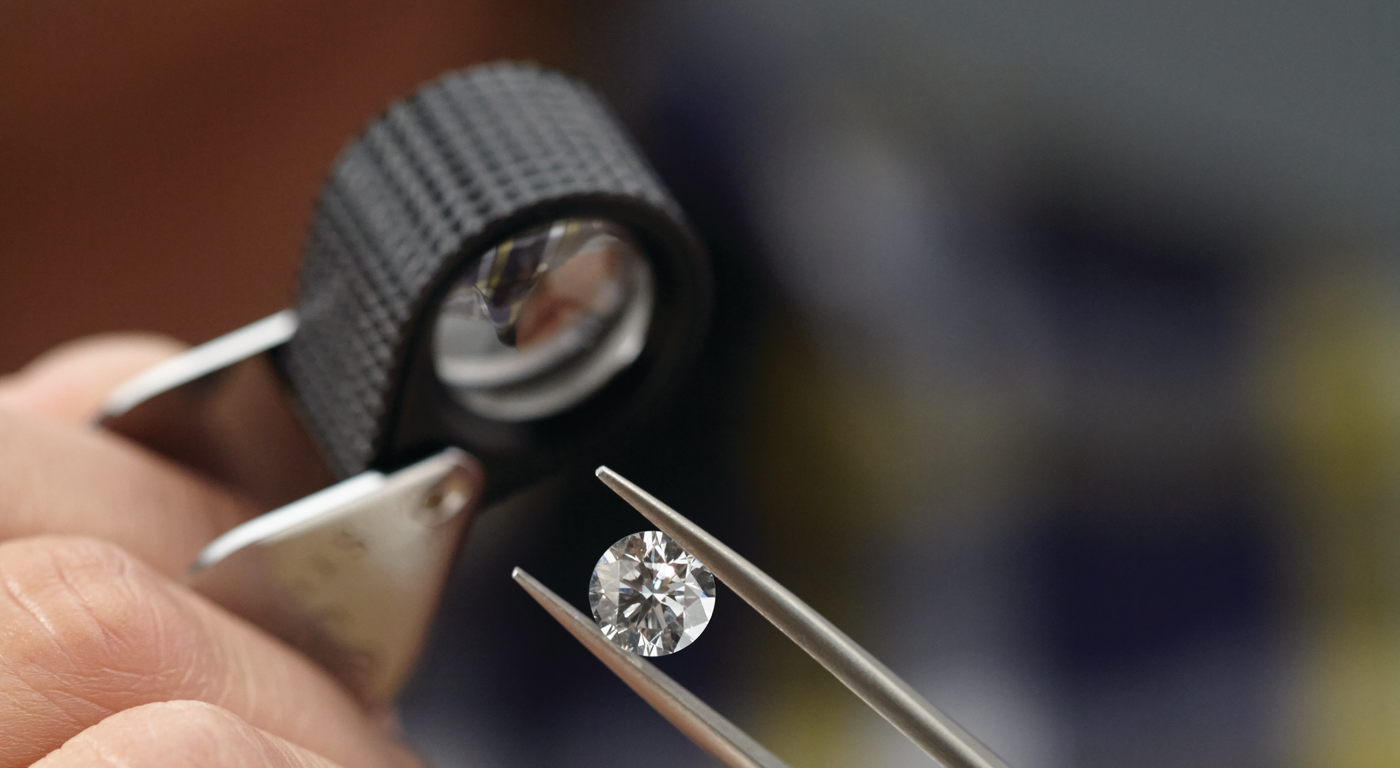
Our experience shows that combining both options can work well:
-
a natural diamond for special occasions, emotional significance and long-term stability;
-
a laboratory-grown diamond for situations in which you appreciate a larger stone or a lower risk of financial loss.
However, if someone is looking for a piece of jewellery ‘for ever’ that will stand the test of time, our personal choice is a high-quality natural diamond, even if it is smaller. The value and story of a natural stone are something a laboratory-grown diamond can never fully replace.
Comparison: Natural vs Laboratory-Grown Diamond
|
NATURAL DIAMOND | LABORATORY-GROWN DIAMOND | |
|---|---|---|---|
| Origin | Formed naturally within the Earth over millions of years. | Created artificially in a laboratory within several weeks. | |
| Rarity | Every stone is unique and supply is limited by natural resources. | Can be produced without natural limits, subject only to technology and capacity. | |
| Market value | Retains a relatively stable price over time, particularly high-quality stones with GIA certification. | Its price falls rapidly as supply increases and technology advances. | |
| Investment potential | Suitable for retaining value over the long term, similarly to gold. High-quality stones may appreciate over time. | Not regarded as an investment asset. Its price declines in a similar way to that of synthetic gemstones. | |
| Liquidity and resale | Readily traded on the global diamond market. | The market is not yet standardised and demand is primarily consumer-led within the jewellery sector. | |
| Purchase price | A higher initial price because of rarity and tradition. | A lower price – a laboratory-grown diamond may cost up to 30–50% less than a natural diamond. | |
| Customer perception | A symbol of prestige, tradition, nature and enduring value. | An appealing, modern alternative that is considerably more affordable. | |
| Estimated future price development | Stable to moderately increasing, depending on quality, size and certification. | Likely to decline as production and competition expand. | |
| Certification | GIA, IGI, HRD | IGI, HRD |
Trust in and Popularity of Laboratory-Grown Diamonds
Only a few years ago, laboratory-grown diamonds were viewed with a certain degree of mistrust. Many people mistakenly regarded them as imitations or artificial stones with no genuine value. Today, the situation is different: both the jewellery industry and the public recognise laboratory-grown diamonds as genuine, fully fledged diamonds that are simply created in a different way from their natural counterparts.
At the same time, it is important to acknowledge that their rapid rise in popularity is largely the result of intensive marketing campaigns and falling prices, rather than necessarily indicating a long-term trend or exceptional rarity.
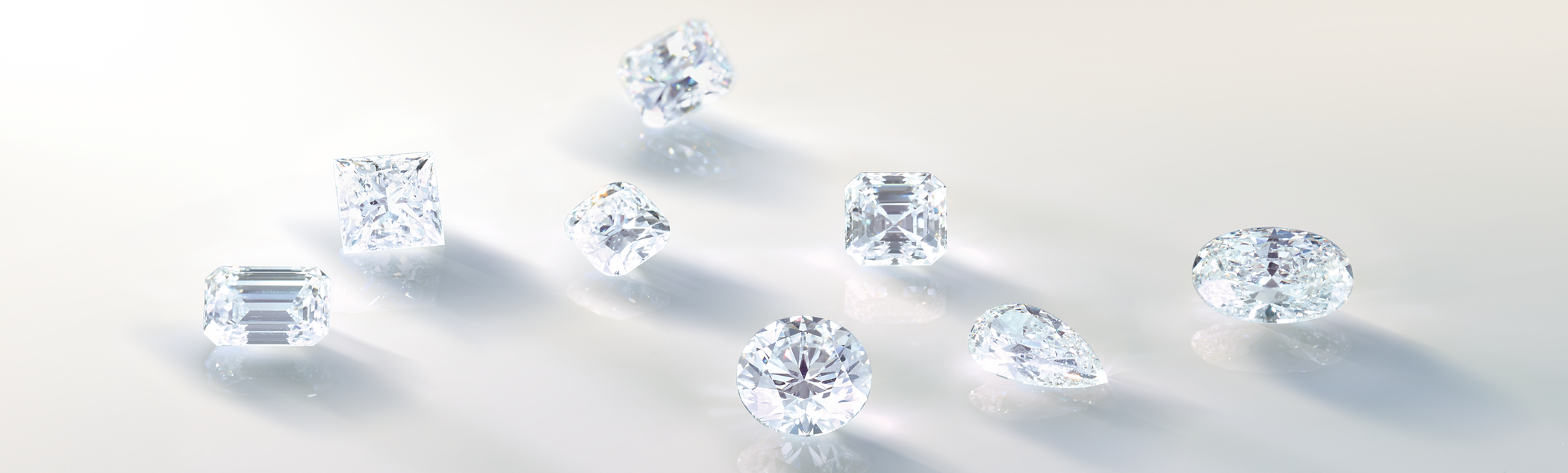
Professional Recognition of Laboratory-Grown Diamonds
Prestigious gemmological institutions such as GIA, the Gemological Institute of America, and IGI, the International Gemological Institute, have stopped using the standard 4C system to certify laboratory-grown diamonds and now apply different specifications. HRD also currently uses its own standards when certifying laboratory-grown diamonds.
From 1 October 2025, GIA no longer uses the traditional 4C system – Cut, Colour, Clarity and Carat – designed for natural diamonds when assessing laboratory-grown stones. Instead, GIA has introduced a simplified classification in which a diamond is labelled either ‘Premium’ or ‘Standard’, or receives no classification if it fails to meet the minimum criteria.
Every certificate clearly states that the stone is a ‘Laboratory-Grown Diamond’, ensuring complete transparency.
From a gemmological perspective, it is a diamond. From a market perspective, however, it is not a rare stone. This distinction is essential for any customer considering the future value of a piece of jewellery.
Popularity and Inspiration
Some members of the public have also embraced laboratory-grown diamonds because of celebrities and major PR campaigns. They are worn by famous figures such as Meghan Markle, while actor Leonardo DiCaprio has invested in the technology used to produce them.
Our Experience at SALABA Jewellery Studio
At our studio, we work with both natural and laboratory-grown diamonds. This gives us a clear understanding of the benefits and limitations of each. Both are genuine diamonds and both have their place in the market. The difference lies in what the customer expects from them.
Beauty and Appearance
Natural and laboratory-grown diamonds offer the same brilliance, hardness and optical properties. A non-specialist cannot distinguish between them at first sight, so factors other than appearance are decisive.
Long-Term Value
-
Natural diamonds are a rare natural resource and their value tends to be more stable.
-
Laboratory-grown diamonds can be produced in unlimited quantities, resulting in faster price changes and less certainty about their future value.
Price and Accessibility
Laboratory-grown diamonds allow you to purchase a larger or clearer stone within the same budget. They are therefore a more accessible option, particularly for customers seeking an impressive stone without regard to its investment potential.
Practicality and Everyday Wear
A laboratory-grown diamond can be a sensible choice for everyday jewellery or a travel ring, as the lower risk of financial loss offers greater peace of mind. Natural diamonds, by contrast, carry symbolic and investment value, which many people consider essential in an engagement ring or commemorative piece.
Conclusion
A laboratory-grown diamond is a genuine diamond, but its principal strengths are price and accessibility rather than long-term value. A natural diamond, by contrast, is the choice for those seeking rarity, tradition, stability and enduring significance, both physically and symbolically.
We therefore often recommend considering the role the jewellery will play:
-
Is it intended to be an engagement ring or a piece with lasting value? A smaller, high-quality natural diamond is a safe and timeless choice.
-
Is the priority a larger visual impact, a striking appearance or jewellery for everyday wear? A laboratory-grown diamond may be the right option.
Our role is not to decide which path is right, but to provide clear, expert and impartial information so that every customer can choose a diamond that reflects their values, budget and lifestyle.
We will be happy to show you both options, explain the differences and help you select a stone that perfectly complements your story – whether it was formed deep within the Earth or grown in a laboratory.
Frequently Asked Questions About Natural and Laboratory-Grown Diamonds
Are Laboratory-Grown Diamonds Genuine Diamonds?
Yes. A laboratory-grown diamond has the same chemical composition and physical properties as a natural diamond. It consists of pure carbon, has an identical crystal structure and a hardness of 10 out of 10 on the Mohs scale. Without specialist equipment, the two cannot be distinguished with the naked eye or a loupe.
How Is a Diamond’s Authenticity Verified?
What Is the Kimberley Process and Why Is It Important?
The Kimberley Process is an international agreement that has helped ensure since 2003 that natural diamonds do not originate from conflict zones or unethical sources. Every certified diamond therefore has a traceable and legal provenance.
Are Laboratory-Grown Diamonds Less Expensive?
Why Are Natural Diamonds More Valuable?
Are Diamonds Suitable as an Investment?
-
Natural diamonds can serve as a store of value or a family investment.
-
Laboratory-grown diamonds are primarily intended for enjoyment and practical use rather than investment returns.
How Are Laboratory-Grown Diamonds Made?
They are produced using HPHT – High Pressure High Temperature – or CVD – Chemical Vapour Deposition – technology. These methods replicate the conditions under which diamonds form within the Earth, resulting in a carbon crystal identical to a natural stone.
Do Laboratory-Grown and Natural Diamonds Look Different?
No. Their brilliance, clarity, colour and hardness are identical.
Only a gemmologist using specialist equipment can tell the difference; it cannot be detected with the naked eye.
What Does the Term ‘Travel Ring’ Mean?
A travel ring is a second, visually identical version of an engagement ring featuring a laboratory-grown diamond, which its owner wears on holiday or to work. The original ring with its natural diamond can therefore remain safely stored at home.
Which Stone Is Best for Everyday Wear?
Both types of diamond are equally durable. However, many customers choose a laboratory-grown diamond for everyday jewellery because they worry less about losing or damaging it, while it still looks every bit as beautiful.
Are Laboratory-Grown Diamonds Recognised Worldwide?
Yes. GIA, IGI, HRD and other respected institutions fully recognise and certify them.