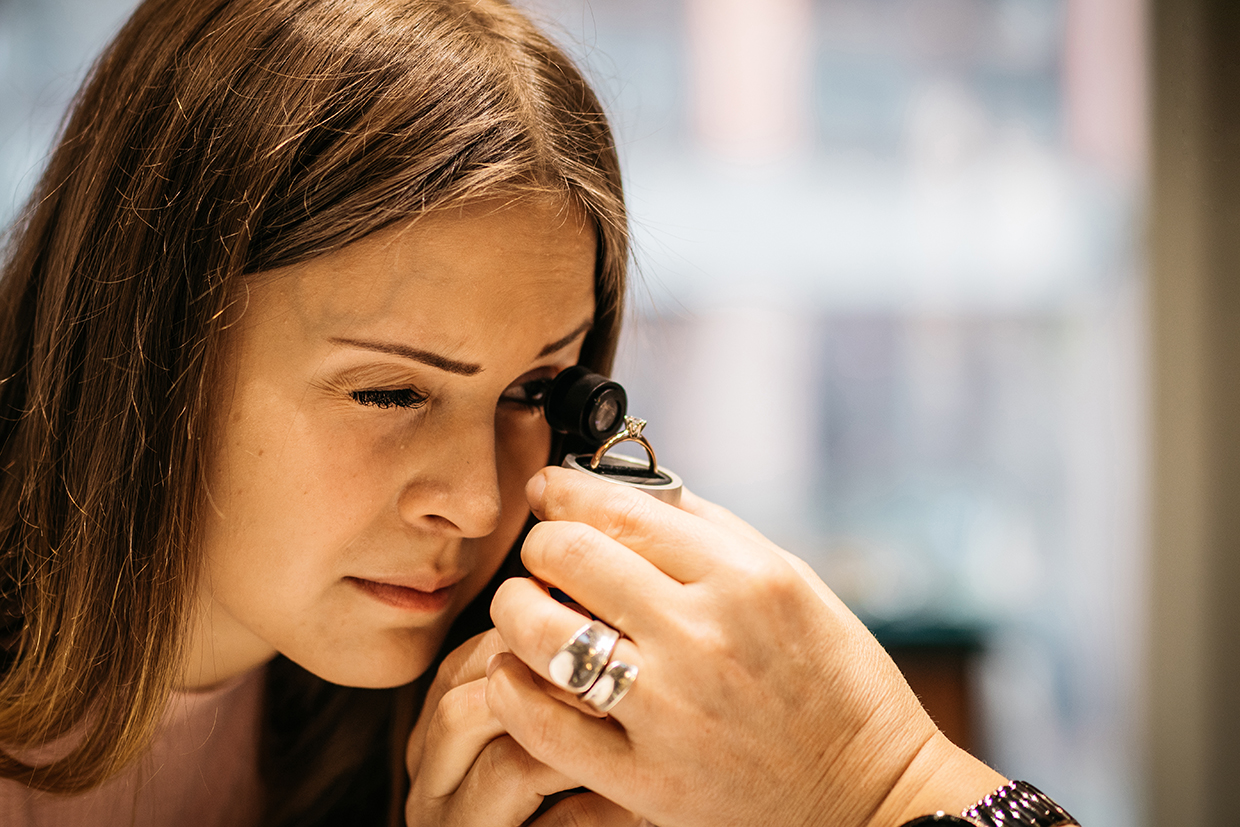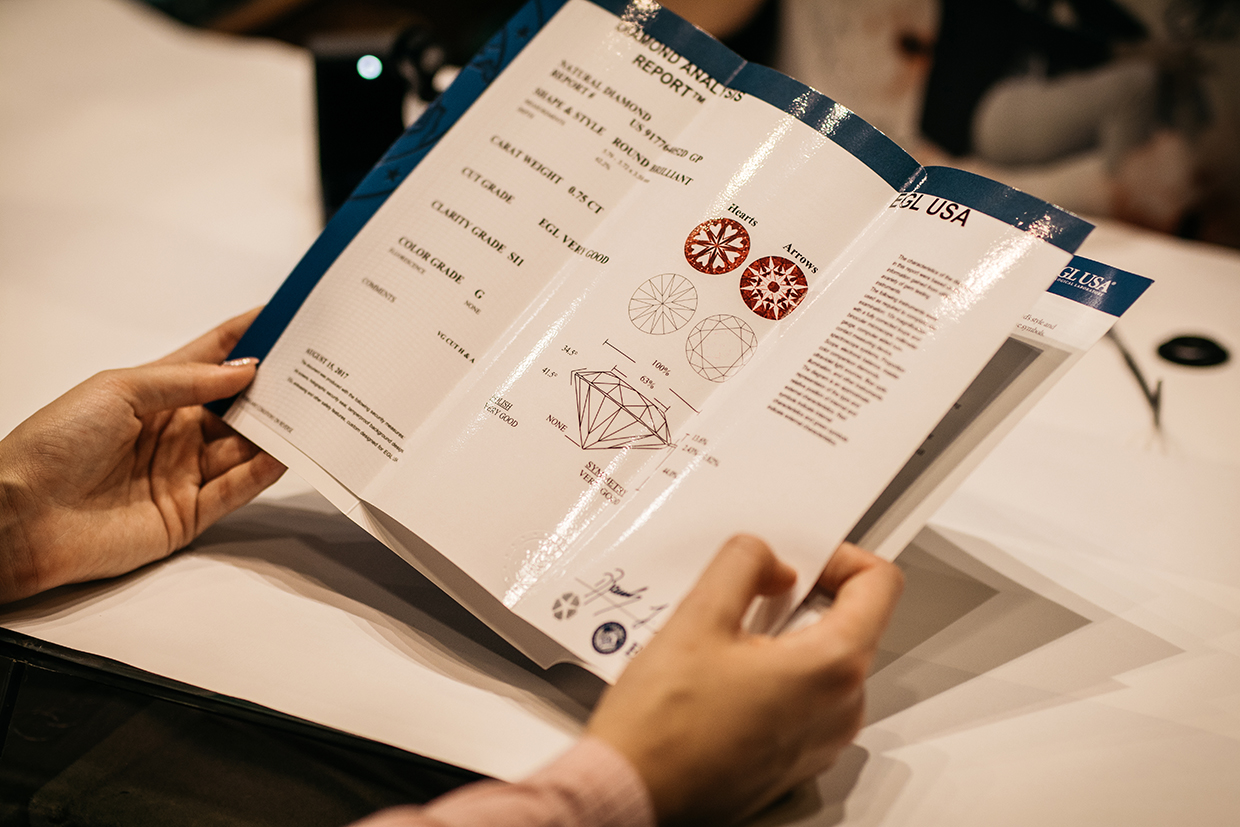
Understanding a diamond’s basic characteristics – the 4Cs of Colour, Clarity, Cut and Carat – and familiarising yourself with the certificate that guarantees the stone’s authenticity will help you understand its true value before making a purchase.

4C DIAMOND, Properties and Primary Criteria of the GEM
- Colour
- Clarity
- Cut
- Carat
- Certificate – the gemstone’s birth certificate
1. DIAMOND COLOUR
Colour is one of a diamond’s fundamental characteristics. Most diamonds range from colourless to faintly yellow. A diamond’s colour grade is determined using the D–Z scale established by the Gemological Institute of America (GIA).
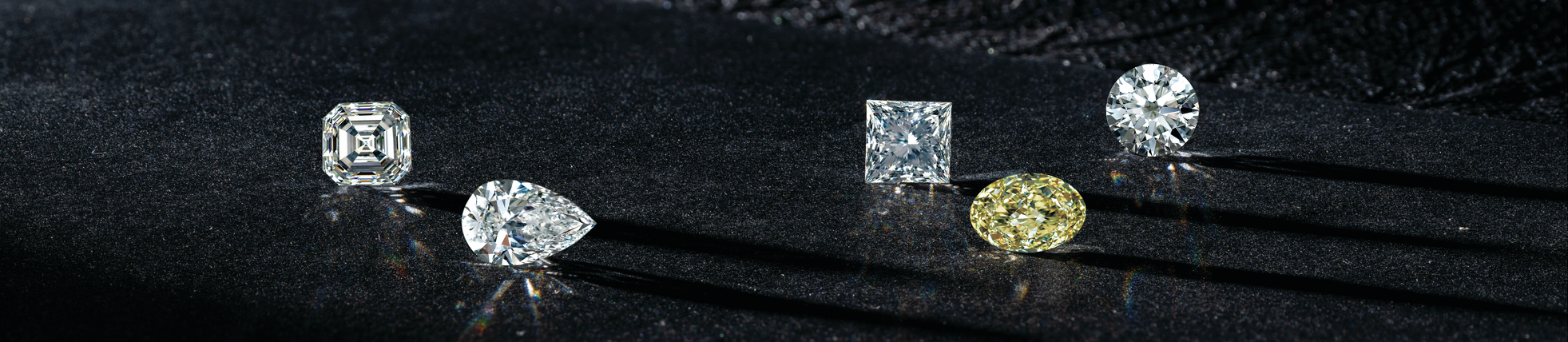
The highest grade is colourless (D, exceptional white+). The more colourless the stone, the higher its price. Diamonds can occur in a wide range of colours, from subtle brown tones to vivid yellow, pink, purple, red and blue.
2. DIAMOND CLARITY
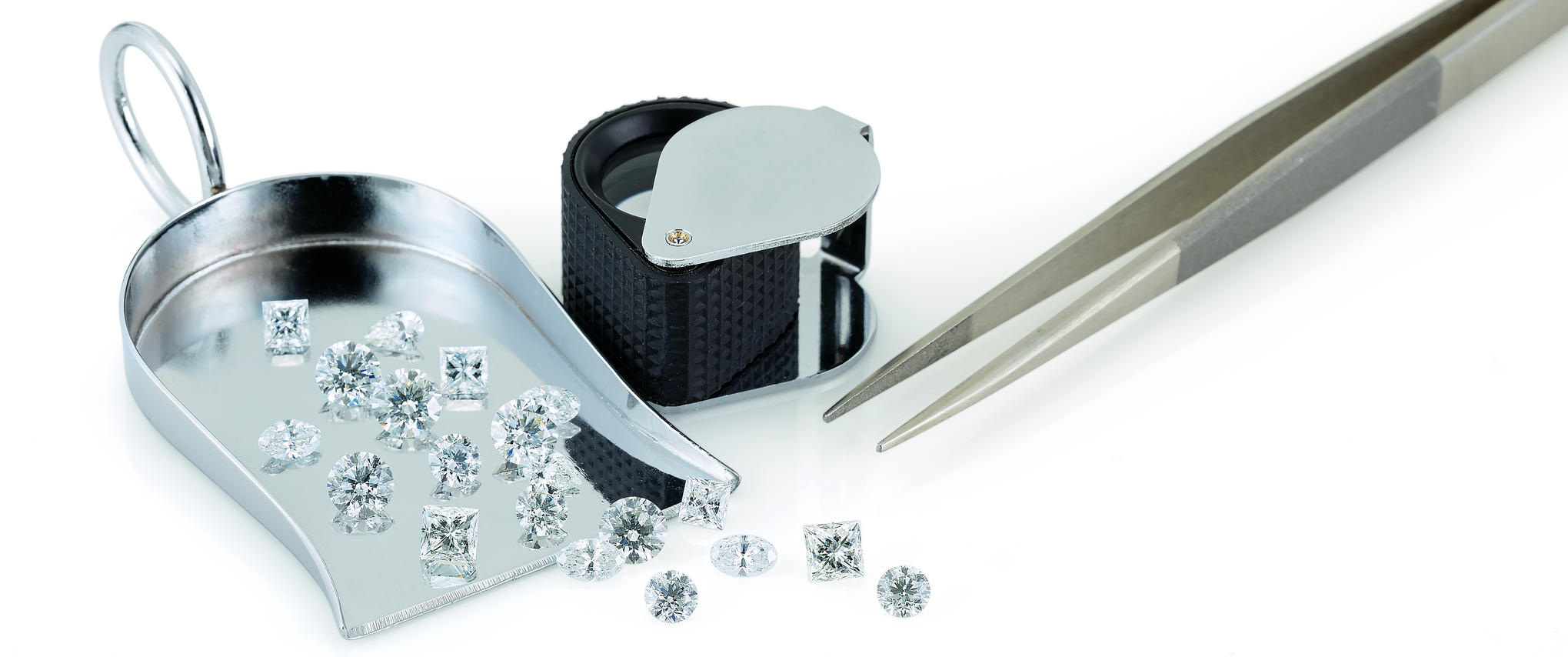
Every diamond bears traces of its formation. Clarity grades classify jewellery-quality diamonds according to their subtle internal and external characteristics. The clarity scale considers the size, number, position and visibility of these characteristics under 10× magnification.
The fewer inclusions and blemishes a diamond has on its surface or within the stone, the higher its clarity grade and value. Clarity is graded on a scale ranging from FL to I:
- FLAWLESS (FL) – no internal or external characteristics
- INTERNALLY FLAWLESS (IF) – no internal inclusions; only minor surface characteristics may be present
- VERY, VERY SLIGHTLY INCLUDED (VVS) – minute inclusions that are extremely difficult to identify under 10× magnification
- VERY SLIGHTLY INCLUDED (VS) – very small inclusions that are difficult to identify under 10× magnification
- SLIGHTLY INCLUDED (SI) – small inclusions that are not visible to the naked eye through the crown
- INCLUDED (I) – distinct inclusions that are visible to the naked eye through the crown
3. DIAMOND CUT
Cut is the most important and also the most complex characteristic considered when assessing a diamond. Cutting rough diamonds of all shapes and sizes is a true art that requires highly skilled cutters and exceptional manual dexterity.
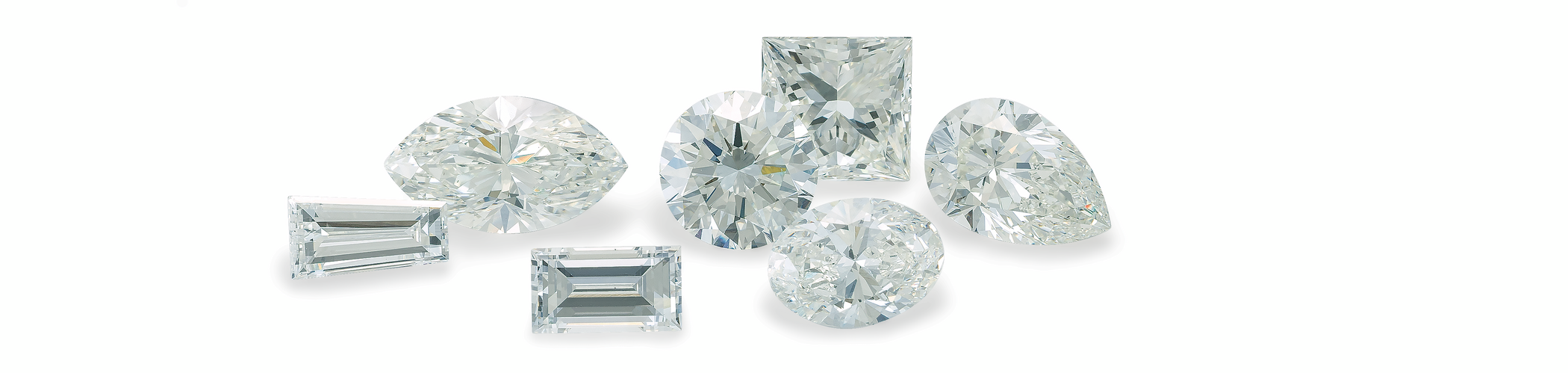
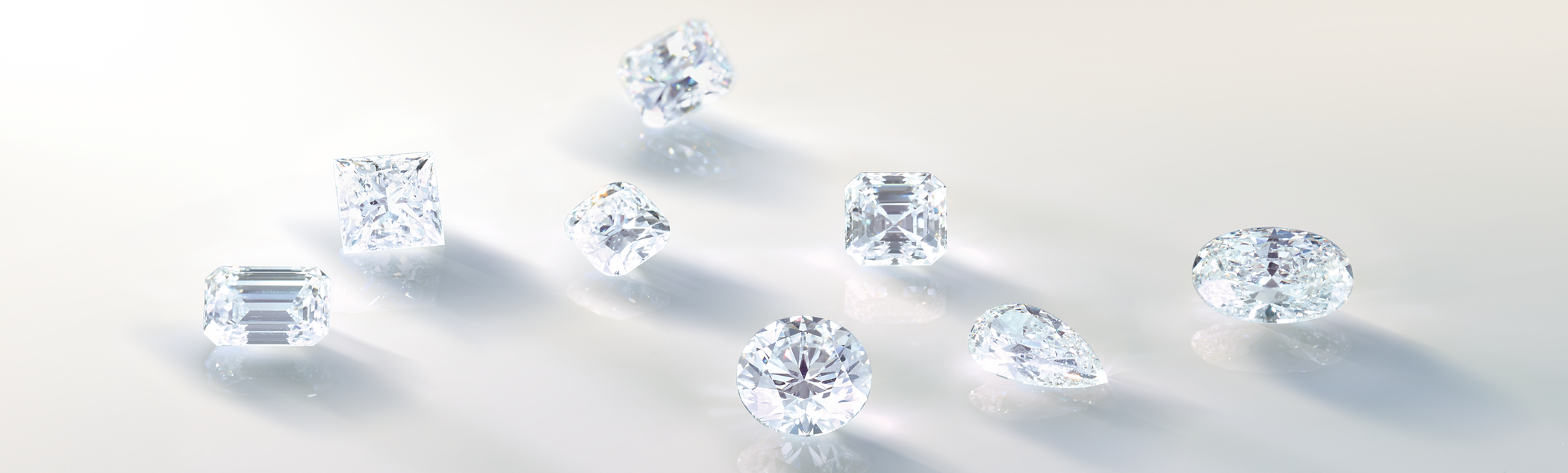
Diamonds can be cut into various shapes, including square, pear and heart. The round brilliant is probably the best-known. A diamond’s proportions play a significant role in determining its brilliance, lustre and sparkle. Symmetry grades describe variations in the parameters that define the diamond’s proportions.
A brilliant-cut diamond achieves its full beauty only when precisely calculated angles and facets are used. The quality of a diamond is therefore always assessed on the basis of two elements: its brilliance and its overall appearance.
4. CARAT - THE WEIGHT OF A DIAMOND
Alongside colour, clarity and cut, carat weight is another determining factor when identifying and establishing the value of a diamond. The weight of all gemstones is measured internationally in carats, commercially abbreviated to ‘ct’.
1 ct (metric carat) = 200 mg = 1/5 g (gram)
Carats are divided into tenths, hundredths and – when electronic carat scales are used – even thousandths. Very small diamonds are measured in ‘points’, with one point equal to one hundredth of a carat (0.01 ct). A diamond’s weight is determined using specialist diamond scales.
CERTIFICATE OF AUTHENTICITY
A certificate of authenticity is the diamond’s birth certificate and is issued following an impartial professional examination. It verifies the diamond’s characteristics and confirms its suitability for use in jewellery. Certificates are issued by gemmological laboratories around the world.
The best-known and most respected institutions include the Gemological Institute of America (GIA), the International Institute of Diamond Grading and Research (IIDGR) and the International Gemological Institute (IGI). These three institutions enjoy an excellent reputation worldwide, and their assessments can be relied upon.
A diamond certificate confirms the quality and characteristics of the stone but does not provide an estimate of its price. Certificates are usually issued for diamonds weighing more than 0.30 ct.
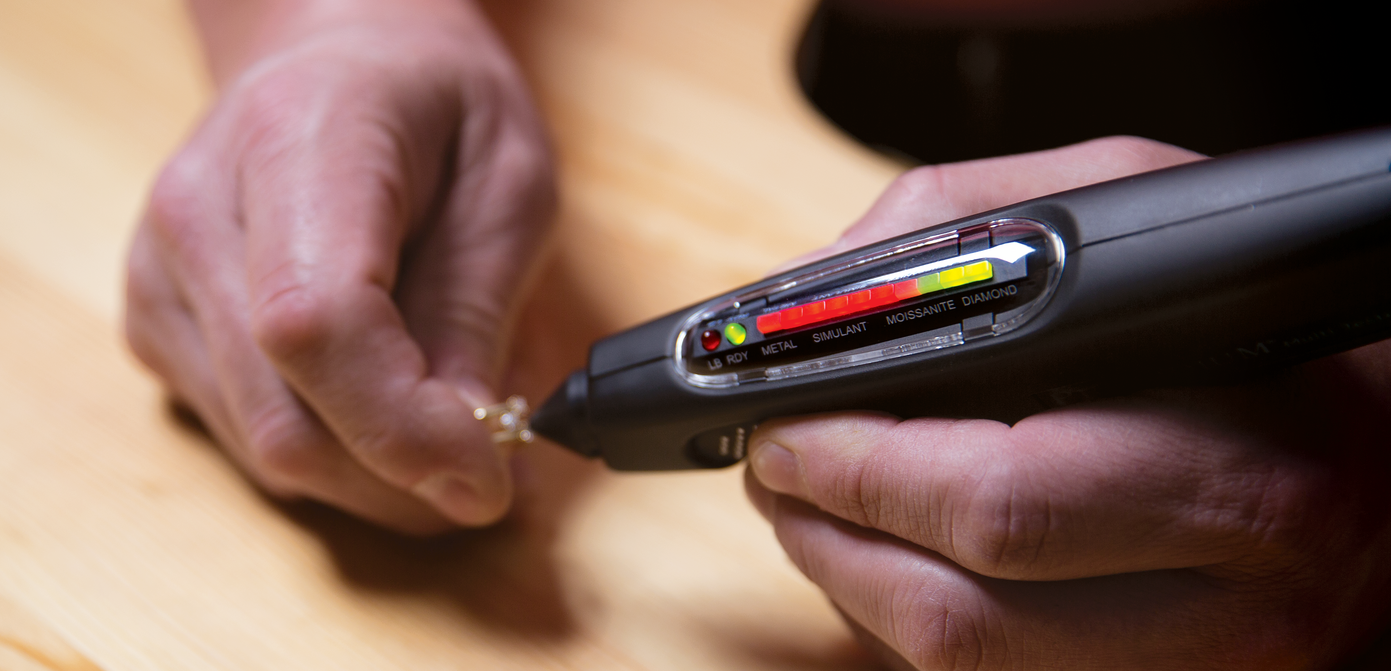
At SALABA Jewellery Studio, we offer certified natural diamonds and laboratory-grown diamonds accompanied by certificates issued by the renowned American gemmological institutions GIA or EGL USA.
You can view our current selection of certified diamonds here.
Every diamond weighing more than 0.30 ct supplied by us has its identification number laser-inscribed on the stone’s girdle. This number matches the one shown on its certificate. Our customers can verify that the two identification numbers correspond at any time, providing lifelong assurance of their diamond’s authenticity and unique identity.